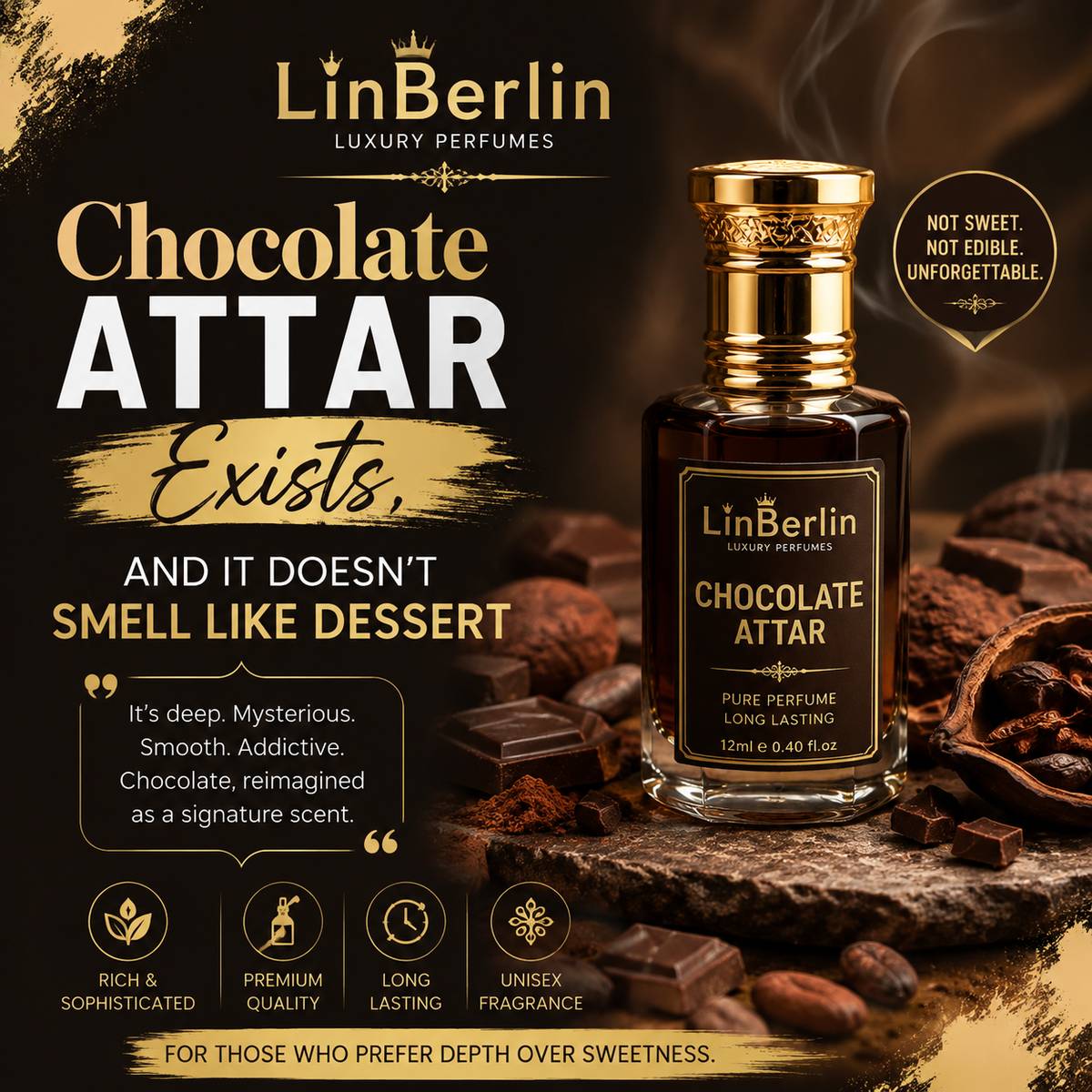
Most people assume the strangest thing about pairing fragrance with skincare is the fragrance. It isn't. It's the skincare. Because what you put on your face and wrists before you reach for an attar changes everything about how that attar behaves — sometimes in ways that surprise even people who've worn oil-based perfume for years. And chocolate attar, oddly enough, is one of the best examples of this, because it's one of the few scents where getting the base wrong doesn't just mute the fragrance. It changes what the fragrance actually smells like.
 Buy on Amazon
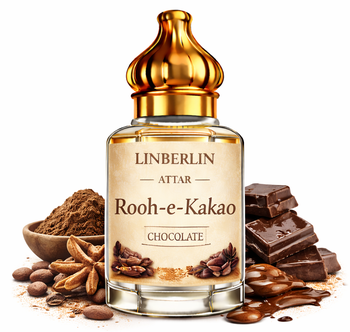
So before we get into what chocolate attar is (and, more specifically, what Rooh e Kakao is), it's worth clearing something up. This isn't a dessert scent. People expect cocoa powder and warm brownies. What they get, if the attar is made honestly, is something earthier, muskier, and a lot less sweet than a candy bar. Realistically, if you're shopping for something that smells like a chocolate shop, this isn't quite it — and that's the first thing a good buying guide should tell you, not bury on page three.
What Chocolate Attar Actually Smells Like
Cocoa, in its raw attar form, is bitter, roasted, almost woody at the edges. It carries a dry, powdery facet before it warms up — think unsweetened baking cocoa rather than a chocolate bar, then let that dry down over an hour into something closer to tobacco or dark resin. That's the honest description. Most commercial "chocolate" fragrances lean on vanillin and synthetic sweeteners to fake the dessert effect, which is fine if that's what someone wants. But a true cocoa attar doesn't do that. It's — well, it's more accurate to say it doesn't try to.
Rooh e Kakao sits in that second category. It's built around real cocoa absolute, blended to soften the bitterness without erasing the roasted character that makes cocoa recognizable in the first place. On skin, that translates to something warm and slightly smoky, with a gourmand undertone that reads as inviting rather than sugary. People who try it expecting a dessert are often confused for the first ten minutes. Then they tend to come around.
Here's the Skincare Part Nobody Mentions
The truth is, how this attar performs has almost nothing to do with the bottle and everything to do with your skin that day. Dry skin doesn't hold scent molecules well — there's less oil on the surface to bind fragrance compounds, so a cocoa attar applied to bare, dehydrated skin will fade in an hour, sometimes less. Well-moisturised skin does the opposite. A light, unscented moisturiser or a plain carrier oil under the attar gives the fragrance something to cling to, and longevity roughly doubles in most cases. This isn't a LinBerlin claim dressed up as science; it's basic perfumery, and it's why attar wearers in humid or dry climates have such different experiences with the exact same bottle. But there's a catch, and it's one people layering skincare and fragrance run into constantly.
If you're using retinol, a strong vitamin C serum, or an AHA/BHA exfoliant, your skin barrier is often mildly compromised — thinner, more reactive, more prone to stinging. Applying a concentrated attar directly on top of freshly active-treated skin can cause irritation that has nothing to do with the fragrance being "bad" and everything to do with timing. The fix is simple: let actives absorb fully, wait twenty to thirty minutes, then apply attar to a different spot if possible — wrists or clothing rather than the cheeks or neck where actives were just used.
Skin Type Actually Changes the Scent, Not Just the Duration
Oily skin runs warmer and produces more natural sebum, which amplifies the deeper, resinous notes in a cocoa attar — so Rooh e Kakao can smell noticeably richer, almost heavier, on oily skin types compared to dry ones. Normal to combination skin tends to give the most balanced read of the fragrance as it was designed. Dry skin, meanwhile, often smells the top notes more prominently and loses the base faster, which is part of why moisturising first matters so much here specifically. None of this is unique to LinBerlin's blend, but it's rarely explained to buyers before they purchase, and then they're disappointed by something that was never really the product's fault.
- Oily or combination skin: apply sparingly — a little goes further than expected, and less risk of the scent turning overly heavy by evening.
- Dry skin: moisturise first, then apply attar within a few minutes while skin is still slightly damp.
- Sensitive or reactive skin: patch test on the inner forearm 24 hours before wearing on the neck or face, particularly given cocoa absolute's natural aromatic compounds can trigger reactions in a small percentage of people.
When to Be Careful
A few honest cautions, because trust matters more than a sale. Pregnant readers should check with a doctor before wearing concentrated fragrance oils regularly, as some absolutes are best avoided or minimised during pregnancy out of general caution rather than confirmed risk. Anyone with a known cocoa or nut allergy (some cocoa absolutes are processed alongside other botanicals) should patch test without exception. And if you have eczema, rosacea, or any active skin condition, apply attar to clothing instead of skin until flare-ups settle — it's a small adjustment that avoids a lot of discomfort.
Buying Guide: Is Rooh e Kakao Right for You
Or maybe the better question is who this attar is actually for, because it's not universal. If you gravitate toward gourmand fragrances but find most of them cloying — too much vanilla, too much sugar — this is worth trying. If you like darker, muskier scents in general (oud, amber, dark woods), the cocoa base will feel familiar rather than foreign. But if you're specifically hunting for something that smells like an actual dessert, sweet and unmistakably food-like, you'll likely find chocolate attar too dry and grounded for that purpose. That's not a flaw in the formulation. It's just not what it's trying to be.
One limitation worth naming honestly: batch-to-batch, natural cocoa absolute can shift slightly depending on sourcing and season, the way any agricultural raw material does. LinBerlin tests each batch for consistency, but a purist blend like this will never smell 100% identical bottle to bottle the way a fully synthetic fragrance does. Some people love that variation. Others find it mildly annoying. Worth knowing before you buy, not after.
Application Tips That Actually Help
Apply to pulse points — inner wrists, behind the ears, base of the throat — where skin runs slightly warmer and helps the scent project without overwhelming. Avoid rubbing wrists together after application; it breaks down the top notes faster and can make the drydown smell muddled rather than clean. So less is genuinely more here, especially for anyone new to cocoa-based attars who isn't yet used to how concentrated a true oil perfume can be compared to alcohol-based sprays.
A single drop, worn on skin that's been moisturised within the last half hour, tends to outperform three drops on dry, bare skin — both in how long it lasts and in how well the fragrance actually develops through its stages. That's really the core of it.
The Takeaway
Chocolate attar isn't dessert in a bottle, and Rooh e Kakao specifically leans into that honesty rather than chasing a sweeter, more commercial cocoa scent. It rewards a bit of skincare awareness — moisturised skin, careful layering around actives, a patch test if you're prone to sensitivity — and in return gives back something warm, roasted, and genuinely distinctive. Try it on skin that's been cared for, give it the full hour to develop, and judge it on what it actually is rather than what the name might suggest.