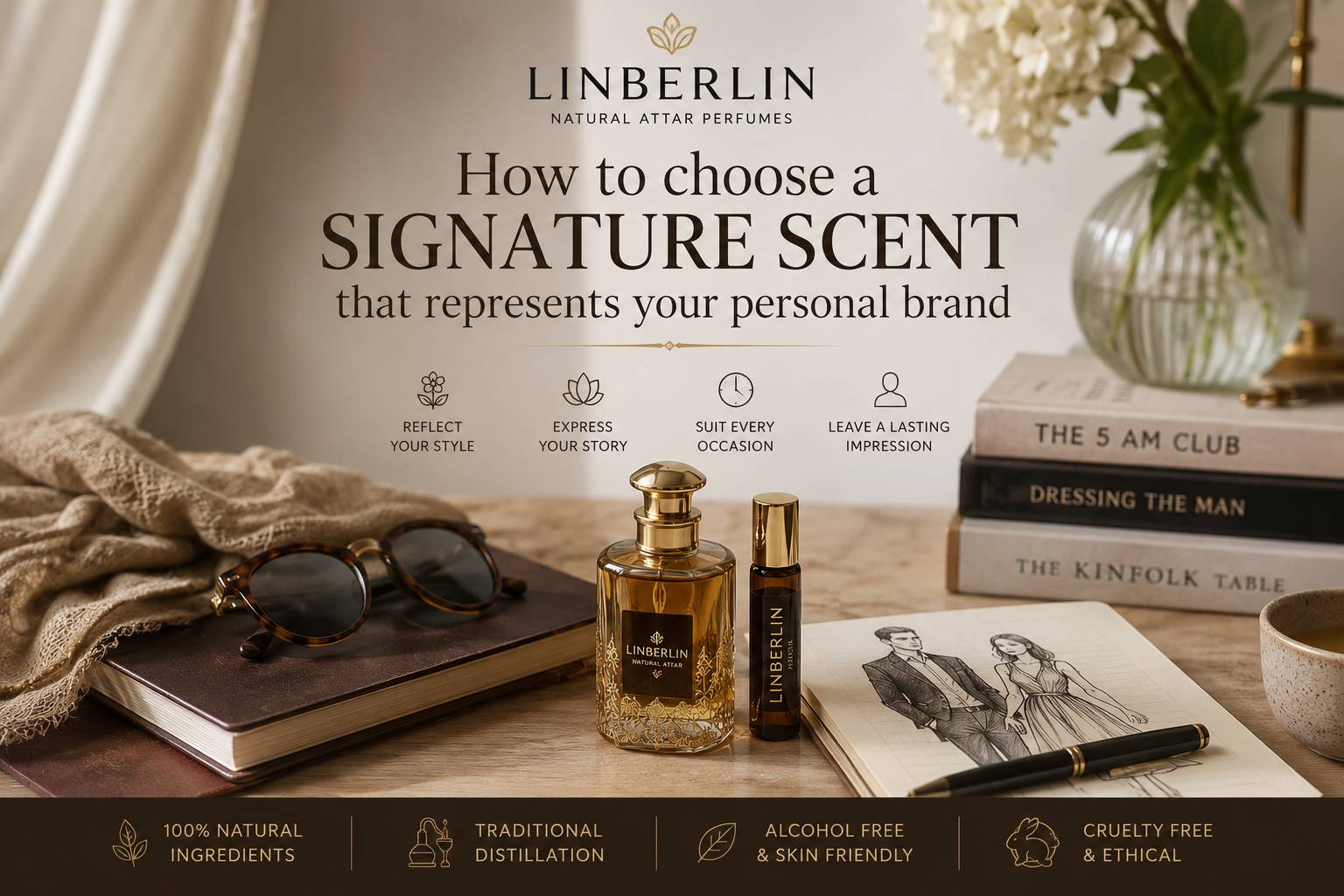
Learn how to choose a signature scent that reflects your personal brand, style aesthetic, mood, and wardrobe with practical fragrance insight. How to choose a signature scent that represents your personal brand
A sharply tailored blazer, worn-in leather loafers, and the faint trace of smoky rose lingering in the air behind someone walking into a dinner party can say more than a carefully written bio ever could. Style rarely stops at clothing. The people remembered for their presence usually understand that scent finishes the picture, sometimes quietly and sometimes with surprising force.
Choosing a signature scent that represents your personal brand isn't about chasing trends or copying someone else's fragrance shelf. It's closer to understanding why certain fabrics, colors, jewelry, or silhouettes feel naturally yours. Scent behaves the same way. The perfume someone reaches for every morning often reveals mood, confidence, energy, and even social instinct before a conversation properly begins.
And the interesting part is that fragrance doesn't always need to match an outfit perfectly to work beautifully. Sometimes contrast creates the strongest impression.
How fragrance and personal style interact
Some people dress with clean lines, neutral tones, and minimal accessories because they like visual clarity. Heavy oud blended with thick spices may feel overwhelming in that context, while airy musk, soft iris, or subtle sandalwood often sits more naturally beside that restrained aesthetic. A fragrance should move with the visual language someone already speaks — not compete with it.
Meanwhile, someone whose wardrobe leans expressive, layered, and textured may feel oddly incomplete wearing a barely-there scent. Dense amber oils, smoky woods, saffron, patchouli, or rich florals tend to complement maximal styling much more comfortably. Clothing creates the first impression, but fragrance deepens it a few seconds later.
Streetwear culture has also changed how younger fragrance lovers approach personal branding (especially over the last few years). Crisp citrus with mineral notes, metallic accords, and transparent woods have become surprisingly popular among people whose style feels modern, athletic, or experimental.
And vintage-inspired dressers often gravitate toward warmer structures. Tobacco, resin, old-school rose, earthy vetiver, and animalic touches can feel almost cinematic with classic tailoring or heritage fabrics like tweed and suede.
What if your style changes constantly? That's actually more common than people admit. Some people wear monochrome during the week, relaxed linen on weekends, and dramatic eveningwear for events. Fragrance doesn't need to lock you into one personality forever.
Here's the thing: the best signature scents usually reflect emotional consistency rather than identical aesthetics every day. Someone may dress differently across situations yet still choose fragrances that share a recognizable mood. Maybe every scent they own feels calm and grounded. Maybe all of them carry warmth and spice. That invisible thread matters more than rigid rules.
Florals often communicate openness and softness, though the type of floral changes everything. Powdery violet gives a different impression than bright neroli. Oud can feel regal, meditative, smoky, sensual, or dry depending on how it's blended. Fresh citrus can signal sharpness and energy, while green herbal fragrances sometimes feel intellectual and understated.
So instead of asking whether a scent smells “good,” it helps to ask a more revealing question: does this fragrance sound like me when I walk into a room?
Matching scent to occasion, season, and mood
A fragrance that feels magnetic during a winter dinner can suddenly feel exhausting in humid summer heat. Temperature changes texture on skin far more dramatically than many people expect. Thick amber oils bloom beautifully in cold air, while crisp citrus or green compositions feel sharper and cleaner during warm afternoons.
And formal settings usually reward restraint. Strong projection may work in nightlife environments, but crowded offices, client meetings, or daytime social events often benefit from closer-wearing scents that reveal themselves gradually.
For daytime dressing, especially with relaxed tailoring, cotton shirts, or neutral casualwear, soft musk, citrus peel, neroli, green tea, or sandalwood tend to feel polished without appearing overly styled. They create the impression of someone naturally put together rather than heavily curated.
Evening dressing allows more drama — darker woods, incense, oud, saffron, leather, and deep florals gain richness after sunset. The shift isn't only cultural. Cooler evening temperatures slow evaporation, allowing denser fragrance materials to unfold more smoothly.
Season matters too, though realistically, personal comfort matters more than strict fragrance etiquette. Some people genuinely enjoy smoky oud in summer. Others prefer fresh citrus year-round. Skin chemistry, climate, and tolerance all change the experience.
Monsoon weather often pairs beautifully with earthy notes like vetiver, patchouli, moss, and rain-like mineral accords. Dry winters tend to soften resinous blends, making amber and oud feel comforting instead of overwhelming. Spring welcomes florals naturally, though green notes usually feel fresher and less expected than sugary white florals.
But mood can override season entirely. A quiet introspective day may call for soft sandalwood regardless of temperature. Celebration sometimes demands rose, saffron, or bright spice even in broad daylight.
People also underestimate how much fragrance interacts with fabric. Dense wool coats absorb and release scent differently than linen shirts. Silk scarves can hold floral oils for hours. Leather jackets tend to deepen smoky or woody accords in surprisingly beautiful ways (particularly natural attars with resin content).
And there’s always the practical question many people think privately but rarely ask aloud: how close should a signature scent sit to the skin? The answer depends on intention. Some people want recognition before introduction. Others prefer someone to notice fragrance only during conversation distance. Neither approach is more sophisticated than the other.
The truth is, memorable fragrance usually comes from consistency and appropriateness rather than sheer intensity.
Building a fragrance wardrobe
The idea of owning just one signature scent sounds elegant, but most fragrance lovers eventually discover that mood, weather, clothing, and occasion naturally pull them toward different choices.
That doesn't mean collecting dozens of bottles without direction. A thoughtful fragrance wardrobe often begins with three categories: something fresh and easy for daytime, something richer for evenings or colder weather, and something emotionally comforting that feels deeply personal.
Natural oil perfumes make this especially enjoyable because they evolve more softly on skin than many alcohol-heavy sprays. Small differences in weather or fabric can completely reshape how an attar behaves.
Or maybe your wardrobe already contains clear emotional zones. Structured workwear, relaxed weekend clothing, festive dressing, travel pieces. Fragrance can follow the same logic without becoming complicated.
One understated sandalwood blend may become your daily anchor scent. A darker oud with spice might appear only for dinners, weddings, or colder evenings. Fresh citrus oils can sit quietly beside summer linen and daytime movement.
There is one small complexity worth acknowledging: finding a signature scent takes time. Skin chemistry changes perception dramatically, and perfumes that smell beautiful on paper strips can feel completely different after two hours on actual skin.
So patience matters more than impulse buying. Wearing a fragrance repeatedly across real life usually reveals whether it genuinely belongs to you.
LinBerlin picks for this style context
LinBerlin approaches fragrance with a strong appreciation for natural materials and traditional oil perfumery, which makes the scents feel personal rather than aggressively commercial.
For someone building a polished everyday identity, LinBerlin's softer sandalwood and white musk blends work beautifully with understated fashion choices. They stay close to the skin while still creating presence.
People drawn toward richer styling often connect with the brand's oud-based attars — smoky without becoming harsh, warm without collapsing into sweetness. Some blends carry touches of rose or spice that pair especially well with evening fabrics like wool, velvet, or darker cotton textures.
And if your style changes frequently, lighter citrus-forward oils or green floral blends from LinBerlin can act as adaptable transition fragrances that move comfortably between work, casual dressing, and social occasions.
Honestly, the appeal of natural attars is often their intimacy. They don't announce themselves in the same way many synthetic perfumes do. They unfold gradually, becoming part of someone's personal atmosphere rather than dominating it.
Closing thoughts
The people with the strongest personal style rarely look identical every day. Their consistency usually comes from mood, taste, confidence, and the details they return to instinctively. Fragrance belongs in that same category.
A signature scent should feel less like a costume and more like recognition. The right one settles naturally into clothing, memory, conversation, and routine until people begin associating it with your presence rather than the bottle itself.
Start by paying attention to the fragrances you reach for repeatedly without overthinking them. That's often where personal style becomes genuinely personal.