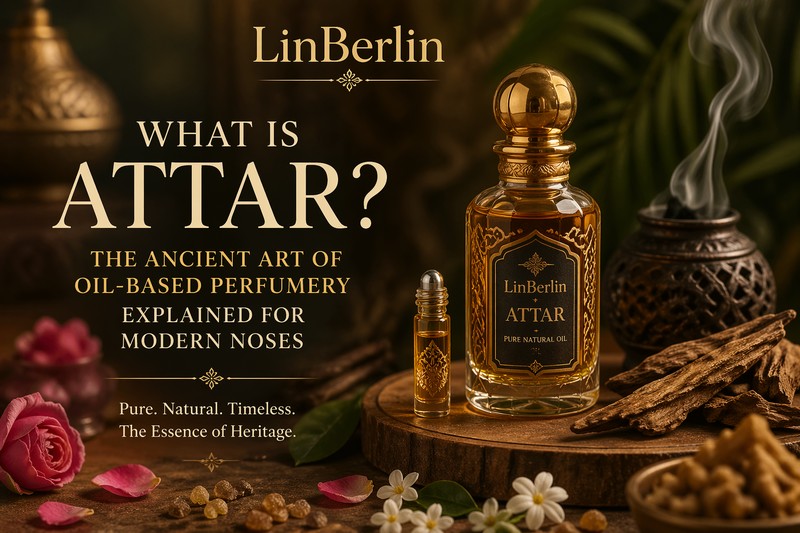
What is attar? The ancient art of oil-based perfumery explained for modern noses
I still remember the first time a tiny glass vial changed how I understood fragrance. No loud alcohol burst, no sharp opening—just a soft, steady bloom that felt almost alive. That was my first real encounter with attar. If you’ve ever wondered why some scents feel fleeting while others linger like a memory, you’re already asking the right question.
Attar, especially natural attar, sits in a different world compared to mainstream perfumes. It’s quieter, more intimate, and honestly, a bit misunderstood. People often assume it’s just "oil perfume"—but that’s like calling a handwritten letter just "ink on paper." There’s history, craft, patience… and a kind of soul in it. Let’s break it down in a way that actually makes sense for today’s noses.
The Roots of Attar — Where It All Really Began
Attar didn’t come from a lab. It came from fire, copper stills, and time. Traditional attar making goes back centuries, particularly in regions like India and the Middle East, where perfumers worked with flowers, woods, herbs, and resins long before synthetic molecules existed.
In my experience, what makes pure attar oil special is the way it’s distilled—usually through a method called hydro-distillation. Fresh botanical material is slowly cooked with water, and the aromatic compounds are captured and absorbed into a base, often sandalwood oil. That base isn’t just a carrier—it becomes part of the scent story itself.
And here’s the thing most people don’t realize: a single batch of natural attar can take days, sometimes weeks, to produce. No shortcuts. No industrial scaling. That’s why authentic attar feels richer—it literally has more time built into it.
Attar vs Modern Perfume — Why They Smell So Different
You might be thinking—okay, but why does attar smell so different from the perfumes I usually wear?
Here’s the honest answer: alcohol-based perfumes are designed for projection and quick impact. They announce themselves. Attars, on the other hand, are designed for closeness. They sit near the skin and evolve slowly. It’s less about impressing a room and more about creating a personal aura.
I’ve seen people switch to attar and initially feel like it’s "too soft." But give it an hour. Then two. That slow unfolding is where the magic happens. Oud, for example, behaves very differently in attar form—deeper, warmer, sometimes even slightly animalic in a way that feels ancient rather than aggressive.
Also, no alcohol means less evaporation shock. What you smell is more grounded, more continuous. It’s not trying to perform. It just exists—and that’s kind of the point.
Understanding Oud and Natural Attar — What You’re Really Smelling
Let’s talk about oud for a second, because it often gets mixed into this conversation.
Oud is a resin formed in agarwood trees when they become infected with a certain type of mold. Sounds strange, I know—but the result is one of the most complex scent materials in the world. When blended into attar, it creates something incredibly layered.
In natural attar, ingredients aren’t isolated into neat, predictable notes like "top, heart, base" in the modern sense. Instead, they merge. A floral attar might carry earthy undertones. A woody attar might feel slightly sweet or smoky depending on how it was distilled.
And honestly, that unpredictability is part of the charm. No two batches smell exactly the same. It’s closer to wine than perfume in that way.
How to Use Attar Properly — A Simple Guide That Actually Works
If you’re new to attar, the biggest mistake is using it like a spray perfume. Don’t do that. You don’t need volume—you need placement.
A small dab on pulse points works best. Behind the ears, wrists, even a touch on the collarbone. The warmth of your skin helps the scent develop gradually. And yes, a little really does go a long way—more than most people expect.
I usually tell people to try it in the evening first. Let it settle while you’re relaxed. Notice how it changes. Does it get creamier? Warmer? Slightly sweet? That evolution tells you more about the attar than any product description ever will.
Brands like LinBerlin attar have started bridging this old-world craft with modern preferences, making it easier for beginners to explore without feeling overwhelmed. That balance is important—because traditional doesn’t have to mean inaccessible.
Real-World Tips — Making Attar Work in Daily Life
Now let’s be practical. Can you wear attar every day? Yes—but you might want to adjust how you use it depending on the situation.
For office settings, lighter floral or soft woody attars work beautifully. They stay close, so they won’t overpower people around you. For evenings or special occasions, richer blends with oud or amber can feel incredibly luxurious.
Storage matters more than people think. Keep your attar away from direct sunlight and heat. Since it’s oil-based and natural, it can evolve over time—in a good way, if stored properly.
And here’s something I’ve personally noticed: attar reacts differently on each person’s skin. Two people can wear the same pure attar oil and smell completely different. So don’t judge it only on a tester strip. Wear it. Live with it a bit.
Common Mistakes People Make with Attar
One of the biggest misconceptions is expecting instant results. Attar isn’t built for that. If you apply it and immediately decide you don’t like it, you’re missing half the experience.
Another mistake is over-applying. Because it’s subtle, people sometimes think they need more. But too much can actually flatten the scent and make it feel heavy instead of elegant.
And then there’s the quality issue. Not everything labeled as attar is truly natural attar. Some are diluted, some are synthetic blends. If you’re exploring this world, it’s worth paying attention to source and authenticity. It makes a real difference—you can feel it, not just smell it.
Closing Thoughts — Why Attar Still Matters Today
So, what is attar really? It’s not just a fragrance format. It’s a slower, more thoughtful way of experiencing scent. In a world where everything is designed to be instant, attar asks you to wait—and rewards you for it.
If you’re curious, start small. Try a natural attar, wear it for a day, and see how it unfolds on your skin. You might not go back to regular perfumes the same way again.
And if nothing else, you’ll begin to notice scent differently—which, honestly, is where the real journey begins.