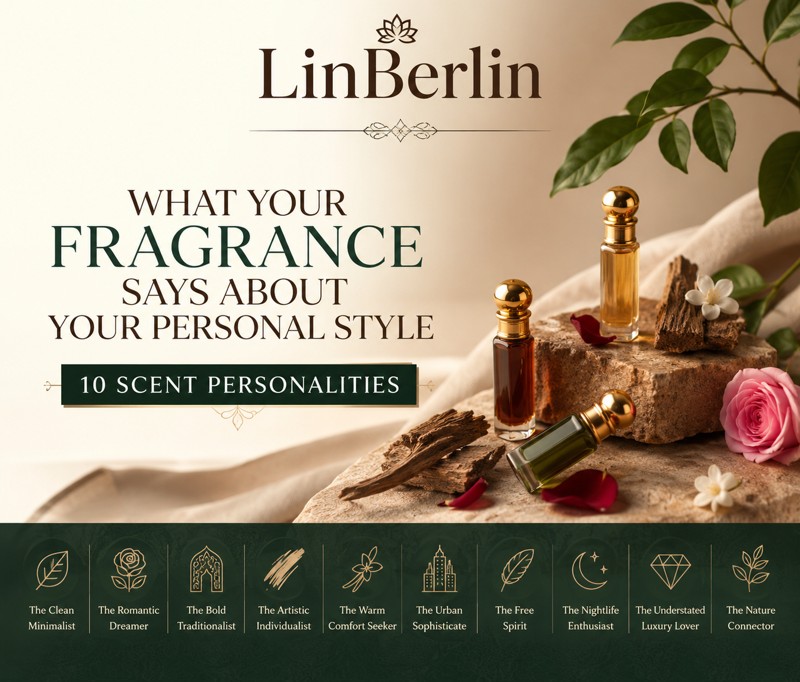
Discover what your fragrance says about your personal style with 10 scent personalities, from crisp citrus minimalists to deep oud traditionalists. What your fragrance says about your personal style — 10 scent personalities
A sharply tailored navy blazer, worn-in leather loafers, and the faint trace of neroli lingering on a scarf tell a more complete story than logos ever could. People notice scent before they consciously process style, which is why fragrance often reveals the emotional side of personal taste long before clothing does.
And the connection becomes obvious once you start paying attention. The person drawn to dry vetiver and clean cedar rarely dresses the same way as someone who collects syrupy gourmands or smoky oud oils.
There’s a reason certain fragrances feel “right” with certain wardrobes. Personal style isn’t only visual. Texture, atmosphere, fabric, climate, grooming, and scent all work together — and when they align properly, a person feels convincing without trying too hard.
At LinBerlin, this relationship between fragrance and identity comes up constantly in conversations with customers. Someone searching for a soft white musk usually isn’t looking for the same feeling as someone asking for dark Hindi oud or aged rose attar. Their clothing choices, routines, and even social settings tend to mirror those preferences in surprisingly consistent ways.
The principles behind the pairing
A crisp citrus fragrance tends to work best on people whose wardrobes lean structured, restrained, and clean. Think white shirts, monochrome palettes, polished sneakers, raw denim, fine cotton, and understated tailoring. Citrus notes like bergamot, petitgrain, lemon peel, and neroli create sharp edges around an outfit the same way a pressed collar or good watch does.
But soft florals behave differently. Rose, iris, orange blossom, and powdery violet often suit people who dress with more fluidity and texture. Linen layers, soft draping, natural fabrics, muted earth tones, antique jewelry, and relaxed silhouettes all pair naturally with floral compositions because both rely on movement rather than sharpness.
Then there’s the darker side of fragrance preferences — smoky oud, leather accords, tobacco, labdanum, patchouli, and resin-heavy blends. These scents rarely feel accidental. They usually belong to people whose style already carries visual weight. Black wool coats, heavy boots, raw silver, darker fabrics, or vintage tailoring create enough presence to support those denser fragrance structures.
Minimalists often mistake fragrance for something decorative (instead of structural), which is why they either overspray trendy perfumes or avoid fragrance entirely. The truth is, subtle fragrances often create the strongest signature because they sit close to the body and become associated with the person rather than the product.
And sweetness changes everything. Gourmand fragrances with vanilla, caramel, tonka, chocolate, or almond notes tend to attract expressive dressers who enjoy warmth, softness, and visible personality in their styling. That doesn’t always mean maximalism. Sometimes it’s just someone who prefers knitwear over tailoring and cream tones over stark black.
People also underestimate climate. Heavy oud oils in peak summer with lightweight resort clothing can feel disconnected unless balanced carefully. Likewise, airy citrus colognes can disappear completely under thick winter outerwear.
So what happens when your wardrobe changes faster than your fragrance taste? Usually, your scent starts feeling slightly “off” before you consciously understand why.
Ten fragrance personalities appear repeatedly across modern style culture. The clean minimalist gravitates toward neroli, white musk, vetiver, and green tea. The romantic dresser prefers rose, jasmine, iris, and creamy sandalwood. The heritage traditionalist almost always returns to oud, saffron, amber, and dense attars rooted in older perfumery traditions.
The artistic personality tends to collect unusual compositions — ink, smoke, mineral notes, incense, rain accords, dusty woods. Meanwhile, the nightlife dresser leans toward projection-heavy amber, leather, spice, and sweet woods because those fragrances survive crowded evening settings.
Or consider the understated luxury dresser: cashmere coats, handmade shoes, neutral layers, excellent fabrics. They usually avoid loud fragrances entirely and instead wear smooth sandalwood, aged musk, subtle ambergris, or dry cedar.
How to apply this in practice
The easiest mistake is matching fragrance to mood instead of wardrobe reality. A fragrance can smell beautiful in isolation and still feel wrong once paired with your actual clothing, climate, and routine.
If your style is heavily tailored, fragrances with sharp openings and dry finishes tend to support the silhouette better. Citrus, aromatic herbs, cedar, and vetiver maintain visual clarity. Rich gourmands layered over formalwear often create tension unless the outfit already has softness built into it.
And casual dressing needs structure too. Someone wearing relaxed knitwear, washed denim, suede jackets, or oversized silhouettes usually benefits from rounded fragrances with texture: sandalwood, fig, cardamom, tonka, soft oud blends, or skin musks.
Even occasion dressing follows predictable fragrance logic. Weddings and formal evening events allow heavier florals, amber, oud, and spice because the fabrics themselves are heavier and richer. Daytime business settings reward cleaner compositions that stay close to the skin.
Spring wardrobes often support green florals, neroli, tea notes, and lighter musks. Autumn almost invites resinous amber, saffron, smoky woods, and darker rose compositions. But regional weather matters more than fashion calendars (especially in humid climates where dense fragrances behave differently).
One useful approach is building a fragrance wardrobe the same way you’d build a clothing wardrobe. You don’t need twenty bottles. Realistically, three or four carefully chosen scent directions cover most situations better than endless trend purchases.
A clean daytime scent handles office settings, errands, and warmer weather. A textured mid-weight fragrance works for dinners, evenings, and cooler days. Then a richer signature scent creates continuity for events where presence matters.
And projection matters more than people think. Overspraying a heavy oud at a daytime café feels as visually disruptive as wearing a velvet tuxedo jacket to a grocery store.
People often ask whether signature scents still make sense now that fragrance culture is more experimental. They do, but the modern version is slightly different. Instead of one fragrance for every situation, most style-conscious people develop a recognizable scent profile. Someone may rotate several fragrances, yet they all share similar DNA: smoky woods, airy musks, green citrus, or warm spice.
Here’s the thing: consistency creates identity faster than novelty ever will.
Attar-specific considerations
Oil-based attars behave differently from alcohol-based sprays, which changes how they interact with clothing and personal style. Projection is usually softer at first, but the scent develops more intimately against body heat and fabric.
That subtle diffusion works especially well with refined or understated wardrobes — tailored linen, natural fibers, wool, suede, handwoven textiles, and layered clothing all hold attar beautifully.
But application becomes more important. A concentrated oud attar applied heavily on the neck in summer can dominate an outfit within minutes. Small application points usually create better balance: behind the ears, inside the wrist, under a scarf, or lightly on inner clothing layers.
Traditional attars also age differently throughout the day. Alcohol fragrances often emphasize top notes immediately, while attars reveal depth slowly. Sandalwood becomes creamier after several hours. Rose deepens. Oud softens into fabric rather than sitting aggressively above it.
And natural materials introduce variation. Two batches of real rose or oud won’t smell mechanically identical every time, which is part of the appeal for people who value individuality in style choices.
There’s also an honesty to attar that suits people who are less interested in mass-market trends. The wearer has to enjoy the fragrance personally because oil perfumes sit close to the skin and evolve gradually. They aren’t built purely for instant attention.
Some people worry that traditional attars feel too formal or culturally distant for modern wardrobes. Honestly, the styling matters more than the category itself. A clean white shirt, dark denim, and a restrained saffron-rose attar can feel incredibly modern when worn with confidence.
LinBerlin's picks for this context
LinBerlin’s softer white musk attars pair especially well with minimalist wardrobes, neutral tailoring, and understated everyday dressing. They stay close to the skin and create that “clean fabric” effect many people want without turning sharp or synthetic.
For someone whose style leans traditional or textural, LinBerlin’s oud-based blends work best when treated almost like accessories rather than loud statements — particularly with wool, darker cottons, leather footwear, and eveningwear.
The brand’s rose and saffron combinations suit people who already wear layered fabrics, earthy tones, artisan jewelry, or softer tailoring. And the sandalwood-focused attars feel convincing on people who prefer calm, restrained elegance rather than trend-heavy styling.
What makes these compositions work is balance. The oils feel grounded in traditional perfumery but still wearable in contemporary daily life, which isn’t always easy to achieve with natural attars.
Closing thoughts
Clothing creates the outline of personal style. Fragrance fills in the atmosphere around it.
People rarely remember every detail of an outfit, but they remember impressions: crisp, warm, restrained, dramatic, soft, smoky, comforting, sharp. Scent shapes those impressions quietly, often more powerfully than visible styling choices.
So instead of asking whether a fragrance is fashionable, it’s usually more useful to ask whether it feels believable on you. The right fragrance personality won’t compete with your wardrobe or identity. It will make both feel more complete.
And once that alignment clicks, getting dressed becomes much simpler.